Login
Join Free
Categories
My Orders
Wish
Cart
0m³/0m³

English
English
 Русский язык
 中文
中文
Why Traditional Toys Are Being Reimagined Instead of Replaced
2026-10-05 09:21:52
Traditional toys are not simply being pushed aside by newer toy trends. Instead, many familiar play concepts are being given new themes, formats and features to fit how people discover and enjoy toys today.
Classic toys are showing up in smaller collectible formats, sensory versions, themed playsets, customizable products and designs made to attract attention on social media. At the same time, nostalgia is bringing older toy concepts back to new audiences.
For customers looking to add traditional toys to a product range, the more useful question is not whether these toys are still relevant, but how familiar toy concepts are being updated today.
The Classic Toy Is Still There — The Product Around It Has Changed
A traditional toy does not need to lose its original play value to feel new.
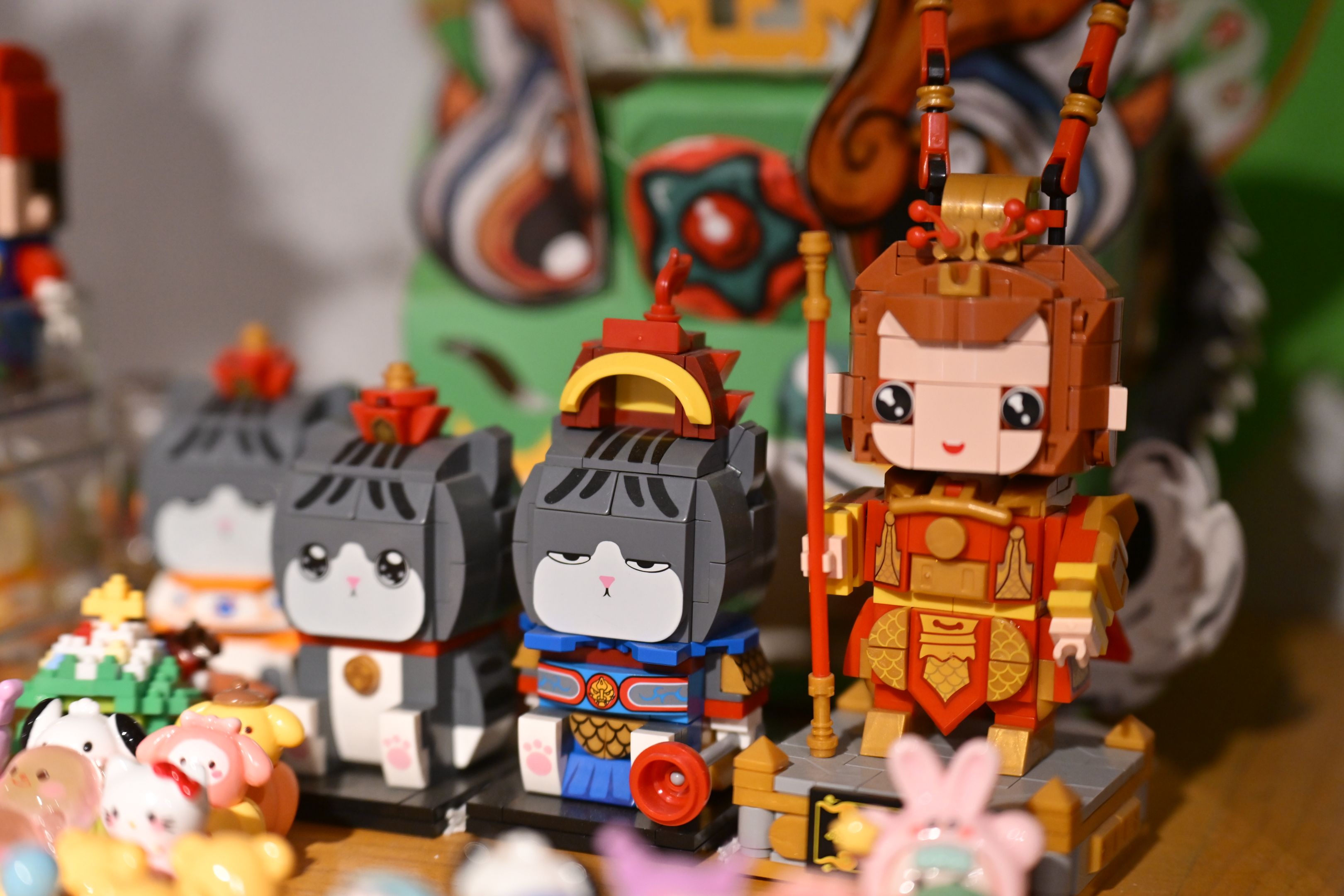
A building toy can keep its construction-based play while adding a new theme, smaller collectible pieces or more open-ended possibilities. A vehicle can remain a vehicle while becoming part of a themed set or a collectible series. A doll can keep its role-play function while gaining new characters, accessories and environments.
The basic idea stays recognizable. What changes is the way the product is presented and experienced.
This is why "reimagined" is a better description than "replaced." New toy products often build on familiar forms instead of starting from zero.
From Classic Play to Collectible Products
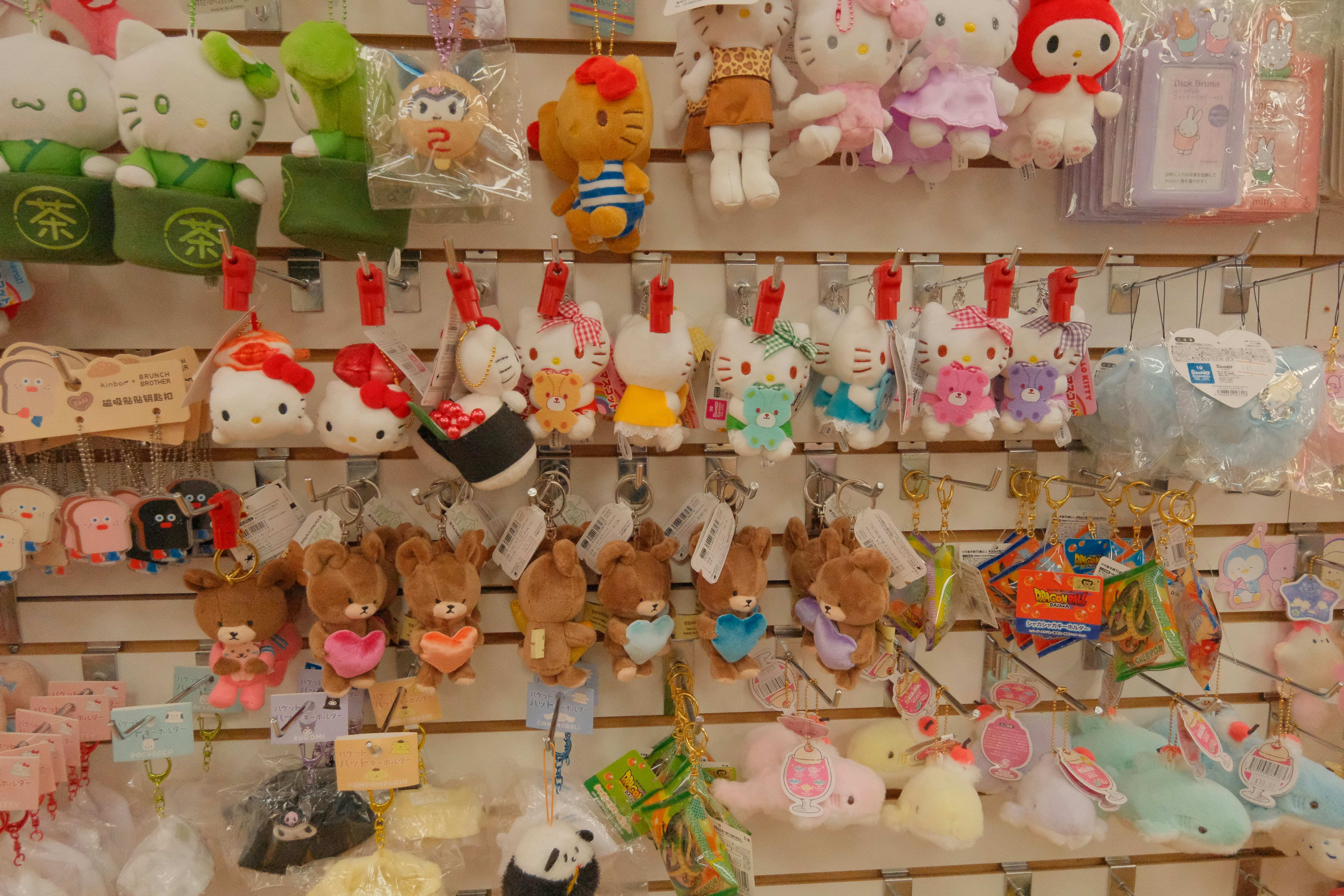
One of the clearest changes is the move toward smaller and more collectible formats.
Traditional toy concepts can now be presented as mini figures, miniature vehicles, small building sets, blind-box-style products, bag charms and other compact formats. Collecting also brings a different reason to buy: consumers may want to complete a series, discover a particular design or display the products rather than only use them for traditional play.
This has expanded the possibilities for familiar toy categories.
A product that was once mainly considered a children's plaything can now have appeal as a small collectible, gift item or display-oriented product.
Familiar Toys Are Getting More Sensory
Another change is the addition of tactile experiences.
Soft materials, squeezable textures, magnetic elements, movable parts and other physical features can give a familiar toy a stronger sensory component.
This is particularly relevant now because sensory toys have been gaining significant momentum. In the U.S. market, squishy toys recorded triple-digit growth in both dollar and unit sales through April 2026, with social commerce and viral discovery contributing to the category's momentum.
The result is not necessarily a completely new type of toy. A familiar shape or play concept can simply be given a more tactile form.
New Themes Can Make an Old Format Feel Different
Another way to refresh a traditional toy is through the theme.
The same basic product can look very different when built around animals, food, fantasy, occupations, sports, vehicles or other recognizable subjects.
This is particularly useful for categories where the basic product format is already familiar. Instead of changing how the toy works completely, the theme gives the product a new visual identity.
It also makes it easier to create related products within a series.
Customization Is Becoming Part of the Product
Traditional toys are also being influenced by the growing interest in customization and self-expression.
A building product can allow different ways to assemble it. A doll can have interchangeable accessories or looks. A collectible can come in different designs. A familiar toy can also be developed around a specific character, theme or visual concept.
This reflects a broader shift toward toys that let users create, personalize, collect or express preferences rather than simply use a product in one fixed way.
For product selection, this means a traditional category can still offer room for differentiation without abandoning its familiar format.
Nostalgia Is Bringing Classic Toy Ideas Back in New Forms
There is also a difference between simply bringing back an old toy and making a product feel nostalgic.
Today's nostalgia-driven products are often redesigned for a new audience. They may use updated mechanics, new aesthetics, smaller formats, collectible elements or social-first presentation.
That creates an interesting opportunity for traditional toys. A familiar concept can have a second life without being reproduced exactly as it was decades ago.
Traditional Toys Can Now Sit Between Different Categories
The boundaries between toy categories are also becoming less rigid.
A traditional building toy can become a collectible. A vehicle can become part of a themed playset. A doll can overlap with fashion and role play. A simple activity toy can incorporate sensory features.
This cross-category approach is important because it allows familiar products to participate in newer trends without abandoning their original identity.
It also gives customers more ways to build a product range around a familiar category instead of relying on one standard version of the product.
What This Means When Choosing Traditional Toys
For customers sourcing traditional toys today, the most interesting products are not necessarily the most complicated ones.
Look for familiar play concepts with a clear reason for feeling different:
-
A classic format with a new theme
-
A traditional toy in a smaller collectible format
-
A familiar product with a sensory element
-
A classic toy with customization or interchangeable parts
-
A nostalgic concept redesigned for current audiences
-
A traditional product combined with another form of play
These approaches keep the product easy to understand while giving it something new to offer.
Why Choose Zhorya for Traditional Toys?
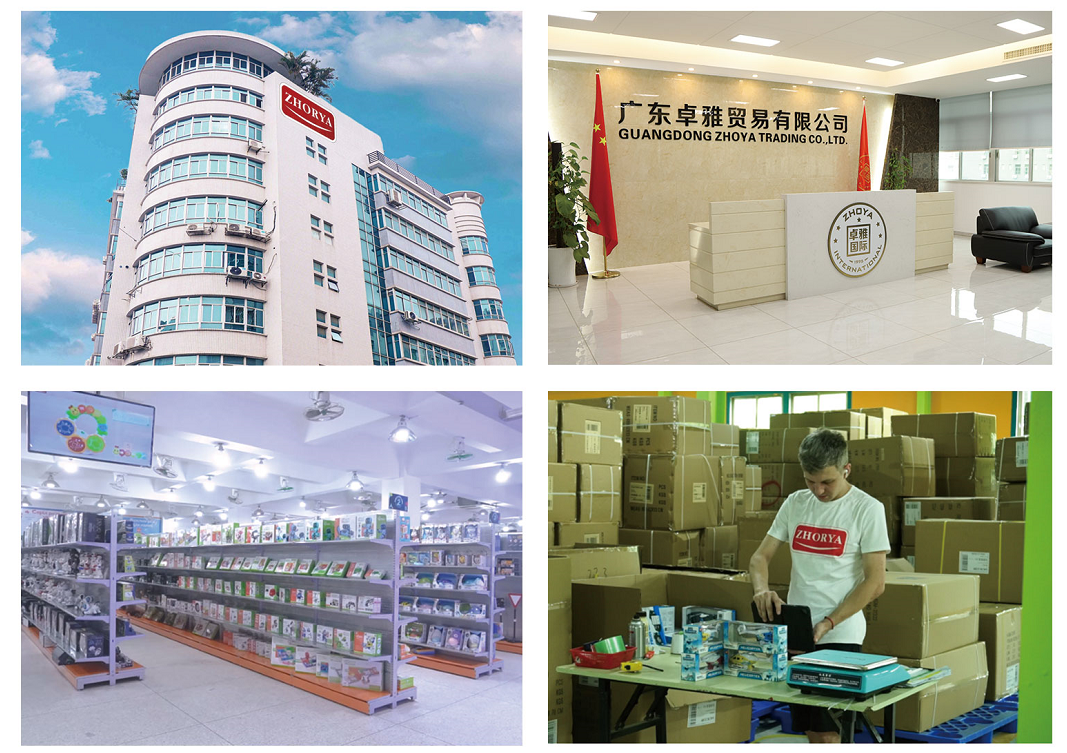
Zhorya is a toy supplier offering traditional toy categories alongside newer product formats and themes. For customers looking to source or update these products, options include:
-
Existing Traditional Toys — Explore established products across different play categories and formats.
-
Updated Product Styles — Find traditional toy concepts combined with newer themes, functions, materials or presentation styles.
-
OEM & ODM — Develop specific concepts with options such as custom molds, logos and packaging.
-
Broader Toy Selection — Traditional toys can be sourced alongside sensory, collectible, plush, outdoor and other categories from the same toy supplier.
This makes it possible to keep familiar toy categories in a product range while also introducing newer versions of the formats customers already know.
Conclusion
Traditional toys are not disappearing—they are being adapted to fit changing tastes, formats and ways of discovering products. Familiar play concepts can still feel relevant when refreshed through new themes, collectible formats, sensory features, customization or nostalgic design. Zhorya offers a broad selection of traditional toys as well as updated formats, giving customers more ways to explore familiar toy concepts for today's market.
Get Your Free Quote
We will reply within 24 hours.