Login
Join Free
Categories
My Orders
Wish
Cart
0m³/0m³

English
English
 Русский язык
 中文
中文
A Complete Guide to STEM Toys for Global Buyers
2026-03-31 08:55:01
In today’s rapidly evolving market, the demand for toys that combine entertainment with educational value continues to grow. Buyers are no longer just looking for products that attract attention on shelves—they are prioritizing toys that offer long-term developmental benefits. This shift has placed STEM toys at the center of the global toy industry.
STEM, which stands for Science, Technology, Engineering, and Mathematics, represents a category of toys designed to encourage problem-solving, creativity, and logical thinking. For distributors, retailers, and sourcing professionals, understanding this category is no longer optional—it is essential for staying competitive in both online and offline markets.
This guide provides a structured overview of STEM toys, including the main product types, their market relevance, and practical considerations when selecting them.

What Are STEM Toys and Why Do They Matter?
STEM toys are designed to introduce children to foundational concepts in science and technology through hands-on interaction. Unlike traditional toys that focus purely on entertainment, STEM products aim to create a learning experience that feels natural and engaging.
From a commercial perspective, STEM toys perform well because they appeal to multiple decision-makers. Parents value their educational benefits, educators support their learning outcomes, and children enjoy the interactive play experience. This combination creates stable demand across different regions and sales channels.
Another key advantage is longevity. While trend-driven toys often experience short life cycles, STEM toys tend to maintain consistent sales due to their practical value. This makes them a reliable category for long-term product planning.
Main Types of STEM Toys
The STEM category is broad, covering a wide range of product formats. Understanding these subcategories helps buyers build a balanced and competitive product lineup.
1. Building and Construction Toys
Construction-based STEM toys are among the most established and widely accepted products in this category. They help develop spatial awareness, fine motor skills, and engineering thinking.
One of the most popular formats within this segment is magnetic tiles. These sets use embedded magnets to allow children to connect pieces easily, forming structures such as houses, towers, and geometric shapes. Their simplicity combined with creative flexibility makes them suitable for a wide age range.
Magnetic tiles are particularly valuable because they scale well. Younger children can focus on basic shapes, while older users can experiment with more complex architectural designs. This adaptability contributes to strong repeat purchase potential.
Other construction toys include traditional building blocks, interlocking bricks, and mechanical assembly kits. Each type targets different skill levels and price points, allowing businesses to diversify their offerings.
2. Robotics and Engineering Kits
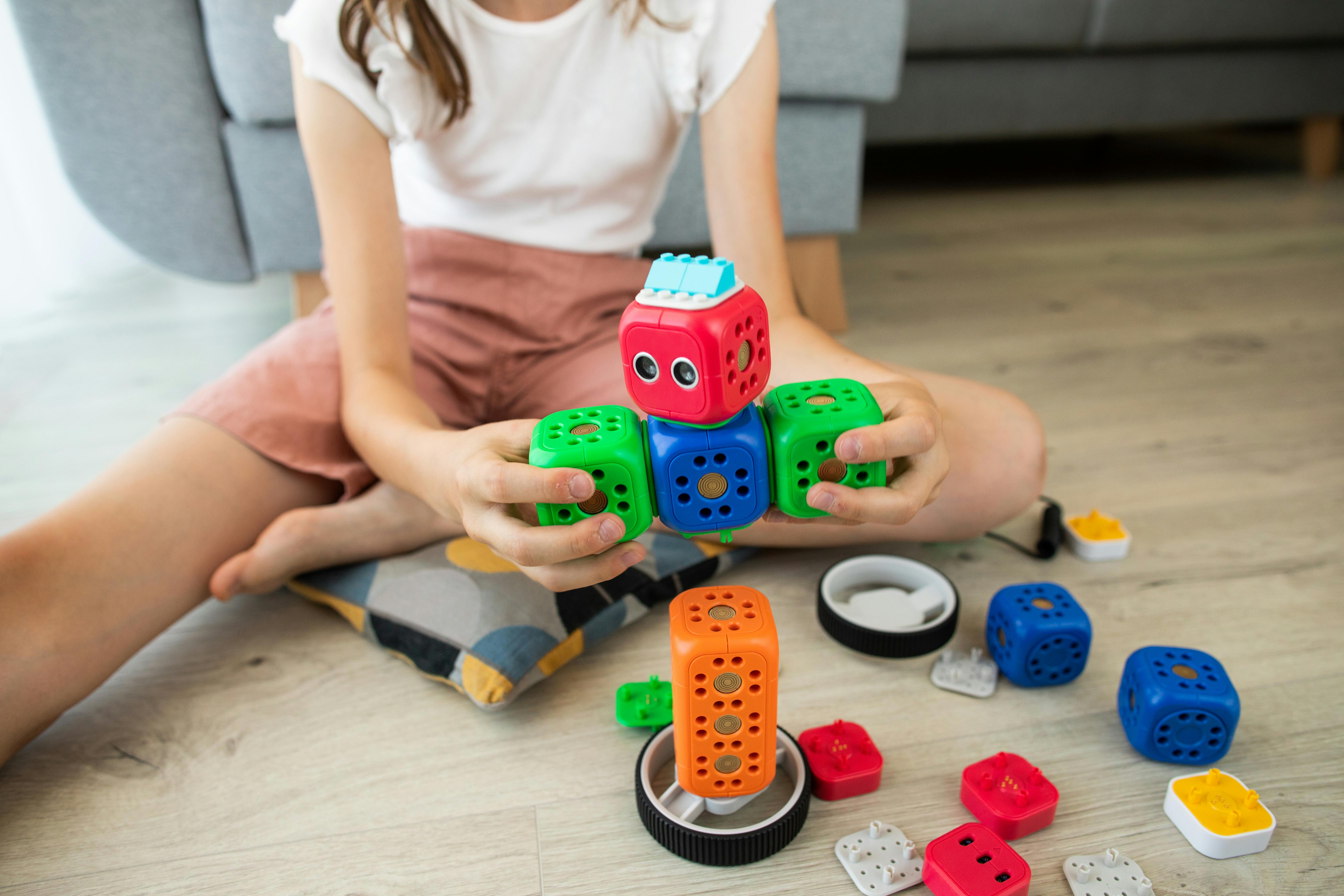
Robotics kits represent a more advanced segment of STEM toys, often targeting older children. These products typically include components such as motors, sensors, and programmable units.
They introduce users to basic engineering principles and, in many cases, coding logic. Some kits allow children to build functioning robots that can move, respond to commands, or complete simple tasks.
From a market perspective, robotics toys are positioned as premium products. While their price points are higher, they attract a specific audience willing to invest in educational value. This makes them a strong addition for businesses looking to expand into higher-margin categories.
3. Coding and Programming Toys
Coding toys are designed to simplify programming concepts for children. These products often use visual interfaces, app-based controls, or simplified command systems to teach logical sequencing.
They range from screen-based learning tools to physical devices that respond to coded instructions. Some toys combine hardware and software, allowing children to see immediate results from their input.
This category aligns closely with current educational trends, particularly the increasing emphasis on digital literacy. As a result, coding toys continue to gain traction in both retail and institutional markets.
4. Science Experiment Kits
Science kits focus on hands-on experimentation. Common themes include chemistry, physics, biology, and environmental science.
These products usually come with materials and instructions for conducting safe, controlled experiments. Examples include crystal-growing kits, volcano models, and basic circuit experiments.
The appeal of science kits lies in their ability to transform abstract concepts into tangible experiences. This makes them especially effective for reinforcing classroom learning.
5. Math and Logic Games
Math-focused STEM toys emphasize problem-solving, pattern recognition, and numerical reasoning. They include puzzles, counting games, and strategy-based board games.
These products are often designed to be both educational and entertaining, making them suitable for family play. They also tend to have lower production complexity, which can translate into competitive pricing.
6. Educational Electronic Toys
This category includes toys that combine interactive features such as lights, sounds, and touch responses with learning content. They often focus on early childhood education, covering basic topics like numbers, letters, and shapes.
While simpler than robotics kits, these products serve as an entry point into STEM learning for younger children.
Key Benefits of STEM Toys
Understanding the value proposition of STEM toys is critical when positioning them in the market.
Skill Development
STEM toys support cognitive growth by encouraging critical thinking and problem-solving. They also improve fine motor skills and hand-eye coordination.
Creativity and Innovation
Many STEM toys, especially construction sets like magnetic tiles, allow open-ended play. This encourages experimentation and creative thinking.
Long-Term Engagement
Unlike single-use toys, STEM products often provide multiple ways to play. This extends their lifespan and increases perceived value.
Cross-Market Appeal
STEM toys are востребованы (in demand) across different regions, making them suitable for global distribution strategies.
How to Choose the Right STEM Toys for Your Business
Selecting the right products requires a balance between market demand, product quality, and positioning.
Age Appropriateness
Different age groups require different levels of complexity. Clear labeling and safety compliance are essential.
Product Versatility
Toys that offer multiple play patterns tend to perform better in the long term.
Material and Safety Standards
Compliance with international safety standards (such as EN71 or ASTM) is crucial.
Packaging and Presentation
Educational toys benefit from informative packaging that highlights their learning value.
Customization Opportunities
Private labeling, packaging design, and feature customization can help differentiate products in competitive markets.
Market Trends and Opportunities
The STEM toy category continues to evolve, influenced by broader educational and technological trends.
One notable trend is the integration of digital and physical play. Products that combine app-based interaction with hands-on activity are gaining popularity.
Another trend is the demand for sustainable materials. Eco-friendly packaging and non-toxic materials are becoming important factors in purchasing decisions.
Additionally, there is increasing interest in products that support collaborative play. STEM toys designed for group interaction can appeal to schools and educational institutions.
Zhorya: Supporting Your STEM Toy Sourcing Strategy
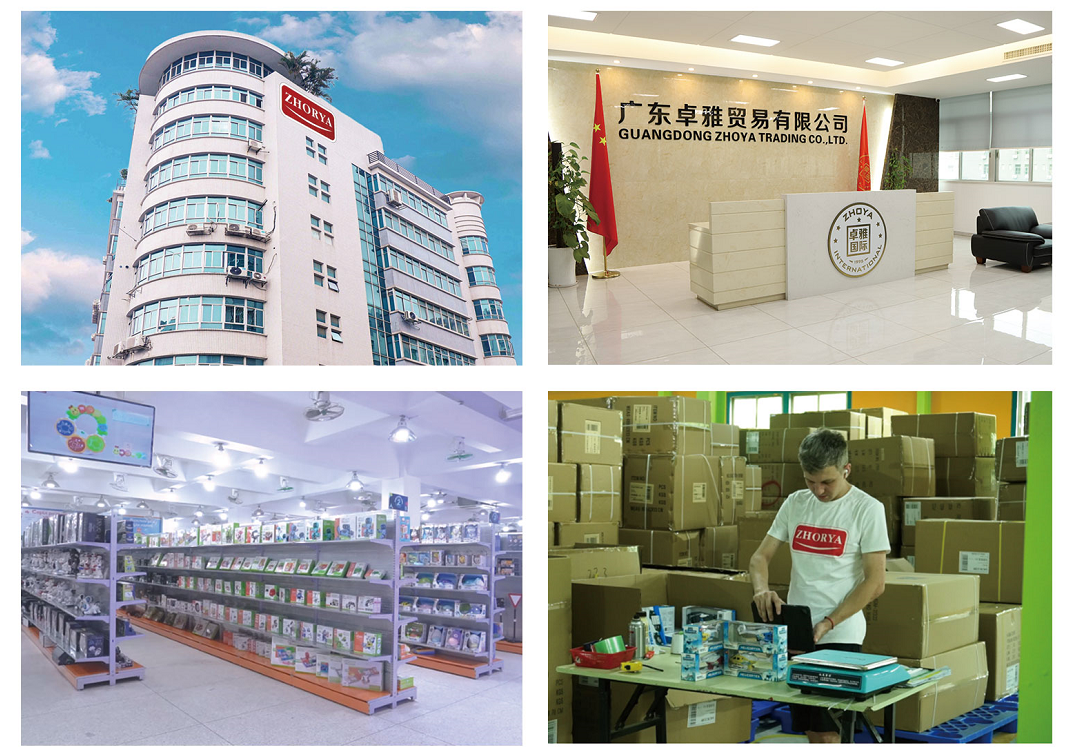
Zhorya, based in China, offers a wide selection of STEM toys designed to meet the needs of global buyers across multiple segments. With a product range that includes magnetic tiles, construction sets, educational electronics, and science kits, Zhorya provides scalable solutions for businesses looking to expand their educational toy categories.
Key advantages include:
- Broad product variety covering multiple STEM subcategories
- Flexible customization options, including packaging and branding
- Consistent product updates aligned with market trends
- Experience supporting international B2B clients
For businesses aiming to build a reliable and competitive STEM toy portfolio, Zhorya provides a structured and adaptable sourcing approach.
Conclusion
STEM toys have moved beyond being a niche category—they are now a core segment of the global toy market. Their combination of educational value, long-term demand, and cross-market appeal makes them a strategic choice for businesses.
By understanding the different types of STEM toys, including high-demand products like magnetic tiles, and aligning product selection with market needs, you can create a sustainable and profitable product strategy.
As the industry continues to evolve, companies that invest in well-structured STEM toy offerings will be better positioned to capture consistent demand and build lasting customer relationships.