Login
Join Free
Categories
My Orders
Wish
Cart
0m³/0m³

English
English
 Русский язык
 中文
中文
From Fidget Toys to Sensory Toys: How the Category Is Changing
2026-09-21 09:03:42
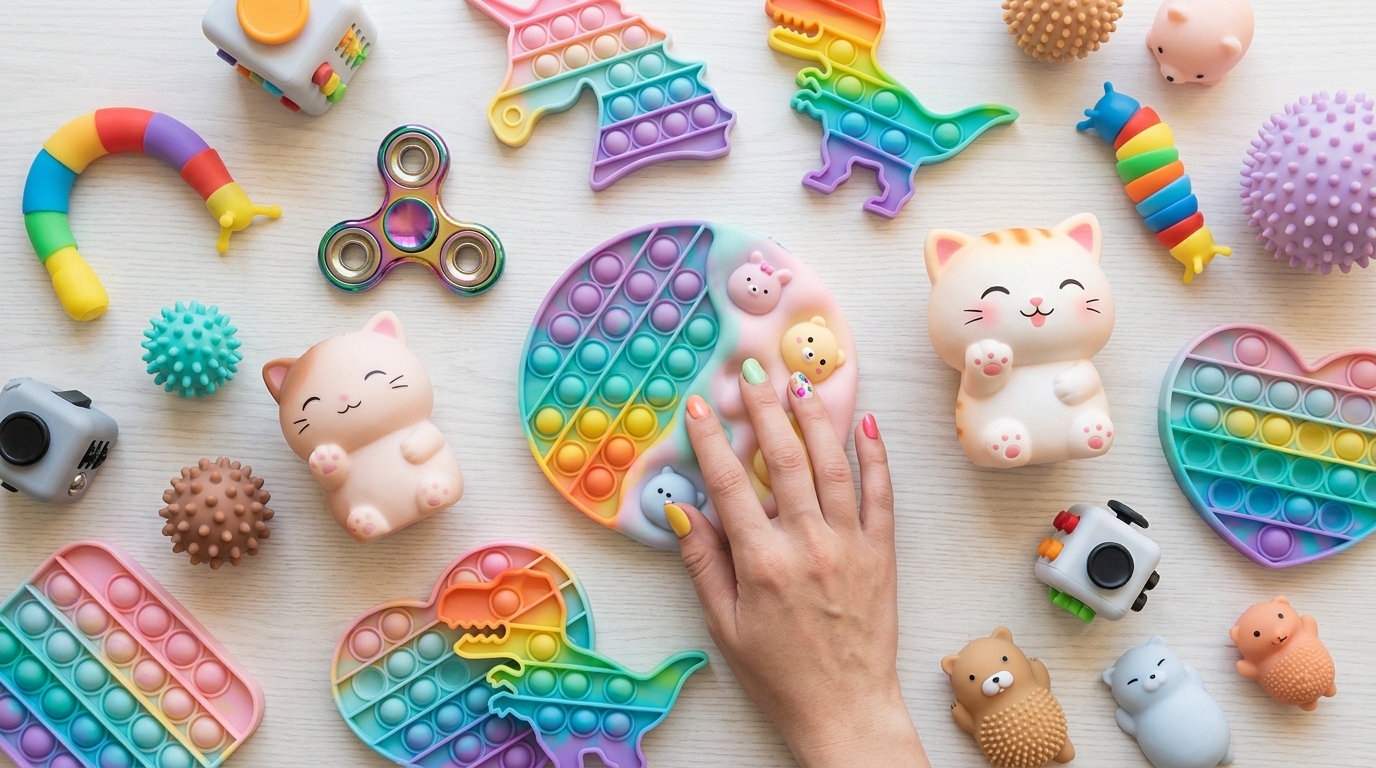
Fidget toys are no longer limited to the familiar spinners, poppers, and clickers that once dominated the category. New products are increasingly combining fidget-style interaction with soft textures, squishy materials, stretching, squeezing, and other hands-on experiences. As a result, products that might once have been placed in separate toy categories are increasingly appearing alongside each other in the same product selection.
That broader mix creates more room for variation. A fidget product can now be built around different materials, shapes, mechanisms, or textures, while sensory-focused products can take on more playful and novelty-driven designs. For retailers, online toy stores, distributors, and other toy businesses, this means there are more directions to explore when building a product line around hands-on play.
The interesting part is not simply that there are more products. The category itself is becoming broader, giving businesses more ways to build a selection around tactile and hands-on play. In the sections below, we'll look at how fidget toys developed, why more products are moving into the sensory space, and what this shift could mean for the products you choose for your toy business.
Fidget Toys Started With a Very Specific Product Appeal
The original appeal of fidget toys was remarkably straightforward: give people something interesting to do with their hands.
A product could be built around one satisfying action—pressing, spinning, clicking, squeezing, popping, or moving a small component. The simpler the interaction, the easier it was to understand. That made fidget products particularly easy to demonstrate in a retail environment, product video, or social media post.
This simplicity was part of the category's strength.
A customer did not necessarily need a long explanation to understand a spinner, popper, or clicker. The physical action itself showed what made the product interesting. For a business selling toys, that made these products relatively easy to introduce alongside other small novelty items.
But a category built around a limited number of recognizable mechanisms naturally leaves room for new variations.
Once customers became familiar with basic fidget actions, product development began exploring different shapes, materials, textures, themes, and combinations of functions. That is where the connection with sensory toys became increasingly noticeable.
Sensory Toys Broaden the Product Direction
Sensory toys cover a much wider range of physical experiences than traditional fidget products.
Instead of focusing primarily on one repetitive action, sensory-oriented products can involve texture, pressure, resistance, movement, softness, flexibility, or multiple tactile experiences. A product may be interesting because of how it feels rather than simply what it does.
This creates a larger product landscape.
For a toy business, that means a sensory-focused selection does not have to look like a collection of identical fidget products. Different products can offer very different experiences while still fitting within the same broader direction.
A soft squishy product may appeal through compression and texture. A stretchable toy offers resistance and movement. A textured ball creates a different hand-feel. A pop-style toy focuses on repetitive tactile interaction. A mechanical fidget may rely on clicking, rotating, or manipulating a component.
These are different products, but they can sit naturally within the same product line.
That flexibility is one of the reasons the distinction between fidget toys and sensory toys is becoming less rigid.
The Boundary Between Fidget and Sensory Is Getting Less Clear
Categories are useful for organizing products, but real products do not always stay inside one category.
A toy can have a fidget mechanism and a sensory texture at the same time. A squishy novelty can be designed around tactile interaction while also using a food, animal, or character-inspired shape. A mechanical toy can combine movement with sound or visual effects.
For your toy business, this overlap can be useful.
Instead of treating "fidget" and "sensory" as two completely separate product searches, it can make sense to look at the different experiences that connect them.
This also gives product selection more flexibility. If one particular fidget style becomes less interesting, related products can still provide variety without moving completely away from the broader hands-on category.
The result is a product line that can include familiar formats while leaving room for newer designs.
Why Squishy Products Fit Into the Conversation
Squishy toys are a good example of how the category has expanded beyond traditional fidget mechanisms.
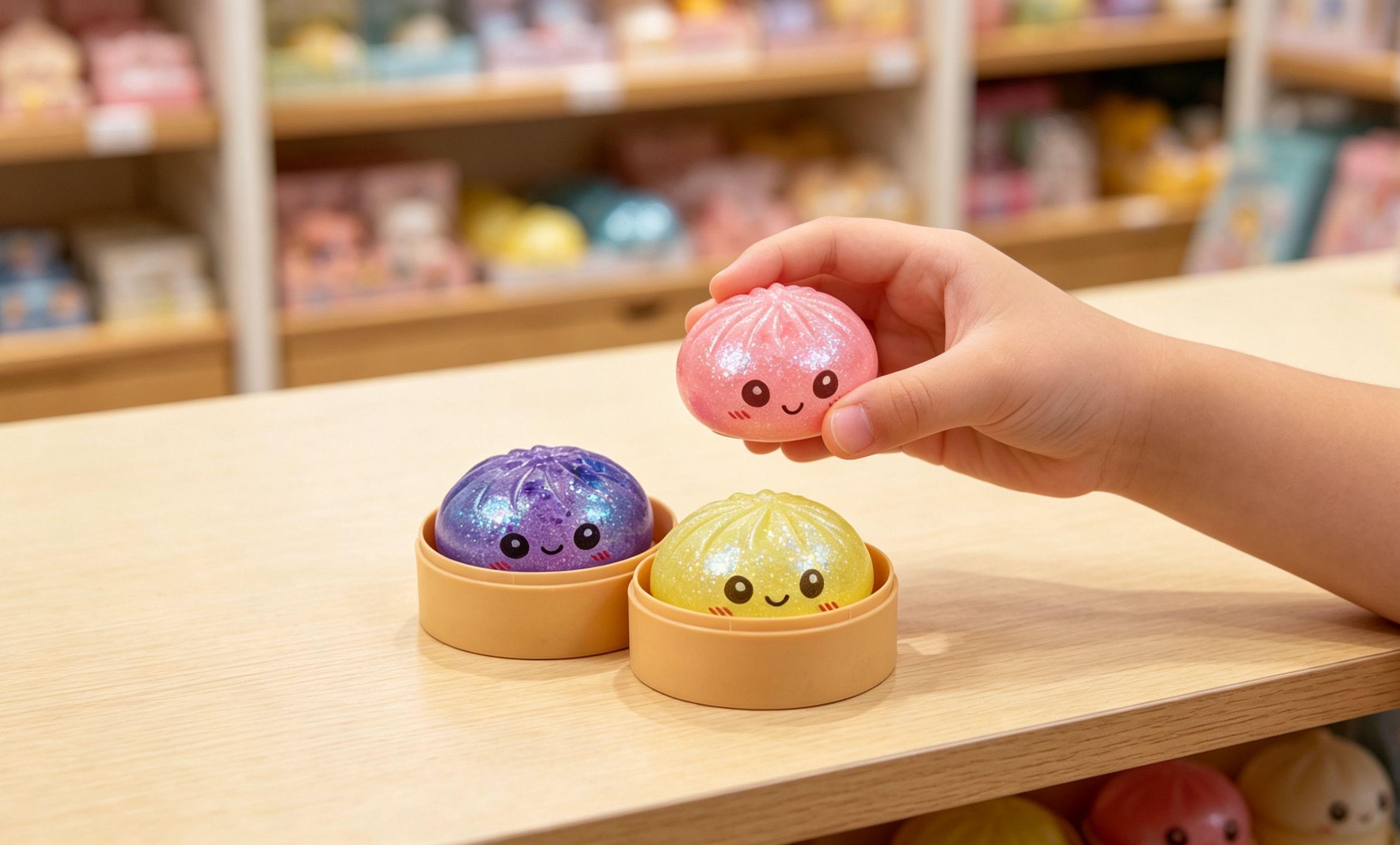
The attraction of a squishy product often comes from its material and physical response. The customer can press it, hold it, reshape it, and feel how it responds. At the same time, the product's shape and appearance can provide a strong novelty element.
This combination makes squishies particularly different from a basic mechanical fidget.
The interaction is still hands-on, but the product experience depends much more heavily on softness, texture, shape, and material. That gives businesses another direction when building a selection around tactile products.
It also creates more room for visual differentiation.
A product line can move from simple mechanical fidgets into food-inspired squishies, animal shapes, novelty designs, textured products, and other tactile formats without losing the common theme of hands-on interaction.
For an online toy store, this can be especially useful because the physical action can be communicated through product photos and short videos.
Product Variety Is Becoming More Important Than One Viral Format
Fidget toys have benefited from viral product cycles, but relying entirely on one popular format can make a product line feel repetitive.
A broader sensory approach gives businesses more ways to maintain variety.
Instead of carrying several versions of essentially the same mechanism, a selection can include products with different tactile experiences, sizes, shapes, materials, and interaction styles.
For example, one group might focus on squeezing, another on popping, another on stretching, and another on mechanical movement. Novelty shapes and visual themes can add another layer of differentiation.
This does not mean every product needs to be completely different.
In fact, products can share a common theme while offering enough variation to give customers different reasons to pick them up. The key is that the interaction should not feel interchangeable across the entire selection.
For your product line, this can create a more flexible way to work with the category.
The Visual Side Still Matters
Although sensory toys are strongly connected with physical interaction, appearance remains important.
A product still has to catch attention before someone decides to pick it up or watch a product demonstration. Unusual shapes, bright designs, recognizable themes, interesting textures, and unexpected combinations can all contribute to that first impression.
This is particularly relevant for online selling.
A product that can be squeezed, stretched, popped, twisted, or manipulated gives content creators an obvious action to demonstrate. A short video can show the interaction much more effectively than a long product description.
For businesses selling through social media or online marketplaces, this can make certain sensory and fidget products particularly suitable for video-based product content.
The strongest products often combine both sides: something that catches the eye and something interesting to do with the hands.
Multi-Interaction Products Add Another Layer
Another direction within the category is the combination of several interactions in one product.
A toy may involve squeezing and stretching. Another may combine texture with movement. A mechanical product may add sound or visual effects to its physical action.
This can make the product experience feel more substantial without requiring the item to become complicated.
For businesses building a varied selection, multi-interaction products can also provide a different point of interest from simple one-action fidgets.
At the same time, simple products still have a place. A clear and satisfying interaction can be exactly what makes a small toy appealing.
The important point is that the category now provides room for both approaches.
What the Shift Means for Your Toy Product Line
The move from fidget toys toward a broader sensory category does not mean that fidget toys need to disappear from your product line.
Instead, it gives you more options around them.
A business can continue carrying familiar fidget products while adding squishies, textured toys, stretchable products, novelty sensory items, and other hands-on formats. This creates a wider selection without requiring a completely different product direction.
It also gives businesses more flexibility when trends change.
If one fidget mechanism loses attention, other tactile products can still provide a connection with the same general customer interest. If a particular texture or novelty style becomes popular, related products can be added without rebuilding the entire category.
For retailers, online toy stores, and distributors, the opportunity is therefore less about predicting one "next big" fidget and more about understanding the wider product space around hands-on interaction.
Different Businesses Can Use the Category in Different Ways
There is no single way to build a fidget and sensory toy selection.
A physical toy store may prefer compact products that are easy to handle and visually distinctive. An online toy business may place more emphasis on products that demonstrate well in photos and short-form video. A distributor may need a broader range of product formats and price points for different customers.
That means the same general category can support very different product selections.
This is also why having access to a broad range of toy products can be useful. A business does not necessarily know in advance which combination of products will work best for its market. Being able to explore related formats gives more flexibility when developing or refreshing a product line.
The fidget-to-sensory shift is therefore not simply a change in terminology. It represents a wider range of products that businesses can consider when looking for engaging, hands-on toys.
Sourcing Fidget and Sensory Toys with Zhorya
The shift from traditional fidget toys to a broader sensory category also creates more room when developing your product line. Instead of choosing between a few familiar fidget formats, you can combine different types of tactile and interactive toys based on the direction you want to build.
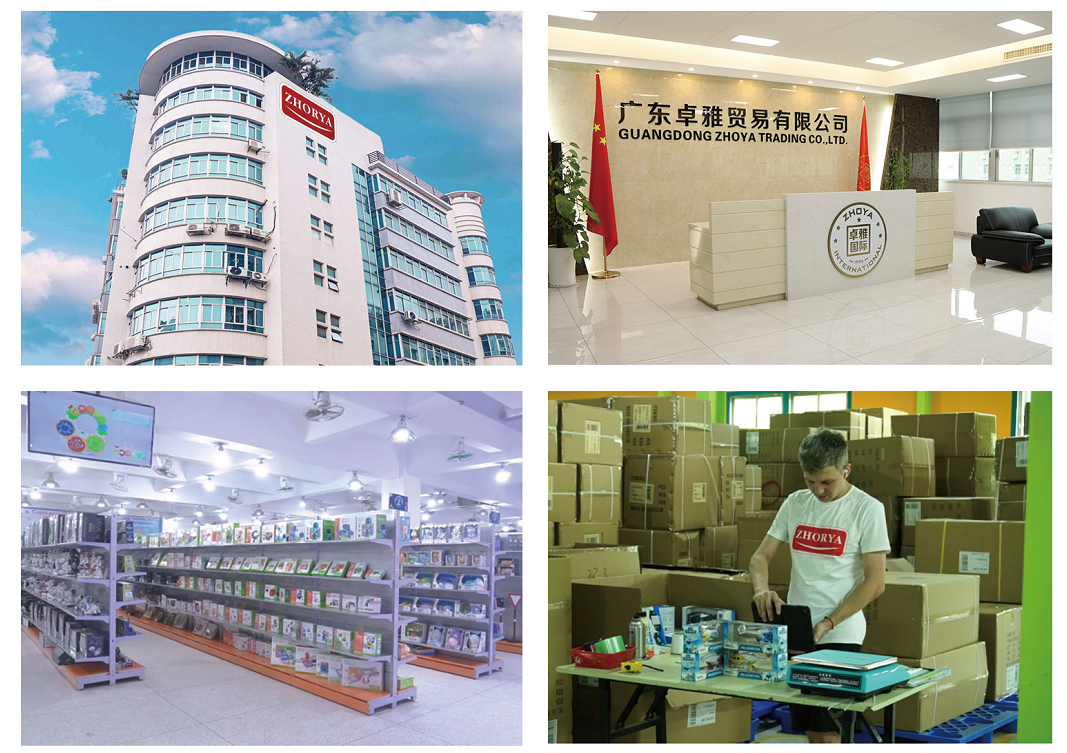
This is where a broad product range becomes useful. Zhorya is a toy supplier with 2M+ toy SKUs, covering fidget and sensory-related products as well as novelty, educational, electronic, wooden, and other toy categories. You can explore related products as your selection develops, while also having access to OEM & ODM options for different sourcing needs.
If you are expanding your fidget selection into squishies, sensory toys, or other hands-on products, contact Zhorya to discuss suitable options for your toy business.
Conclusion
The shift from fidget toys to sensory toys is opening up more possibilities for your toy product line, from familiar poppers and mechanical fidgets to squishies, stretchable toys, and other tactile products. With a broad range of toy categories and 2M+ SKUs, Zhorya can help you explore different product directions and source products that fit your selection. If you are looking to expand your fidget and sensory range, contact Zhorya to discuss suitable products for your toy business.
Get Your Free Quote
We will reply within 24 hours.