Login
Join Free
Categories
My Orders
Wish
Cart
0m³/0m³

English
English
 Русский язык
 中文
中文
Fashion Doll Sizes Explained: Why 11.5-Inch Became a Reference Standard
2026-03-20 08:52:56
In the fashion doll category, size is one of those details that often gets overlooked at first—but quickly becomes important when it comes to product selection, merchandising, and long-term sales performance.
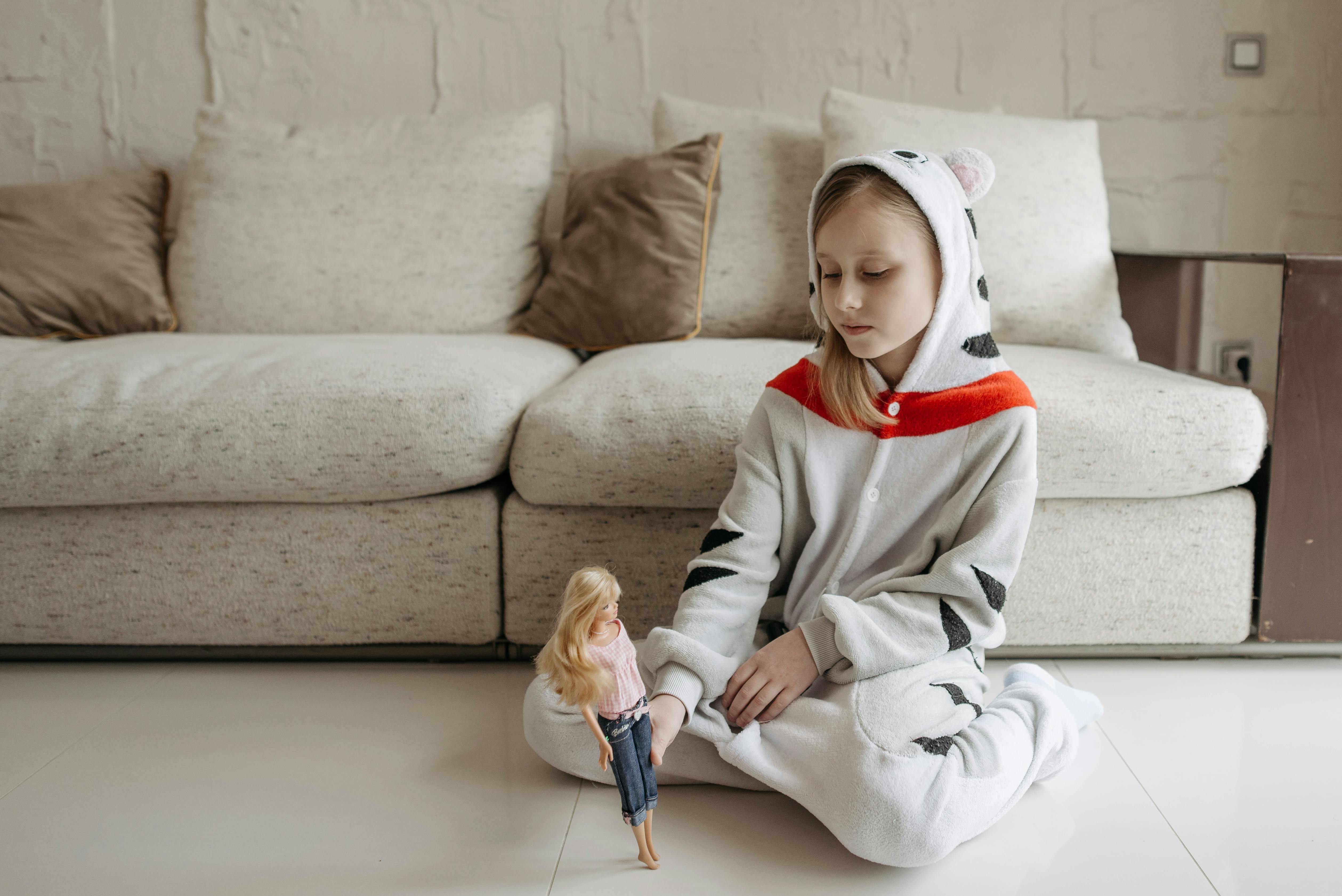
While there are multiple doll sizes available in today's market, one format continues to appear more frequently than others: the 11.5-inch fashion doll. Often described as "playscale," this size has become a widely recognized reference point across the industry.
That said, calling it a "standard" does not mean it is the only option. In reality, successful product strategies usually involve a mix of sizes, each serving different purposes. Understanding where the 11.5-inch format fits—and where other sizes may work better—can help buyers make more informed decisions.
Where the 11.5-Inch Format Comes From
The 11.5-inch format did not appear by coincidence. It was originally defined by Mattel when the Barbie doll was introduced. By setting Barbie at approximately 11.5 inches tall, Mattel established a proportion that balanced visual detail, playability, and production practicality.
As Barbie gained global popularity, this size quickly became familiar to consumers and retailers. Other manufacturers entering the fashion doll category gradually followed the same proportions—not necessarily as a formal rule, but as a practical response to market expectations.
Over time, the 11.5-inch format evolved into what the industry now often refers to as "playscale." Rather than being a strict standard, it functions more as a widely accepted reference point that many products are built around.Why "Playscale" Still Matters for Buyers
Instead of treating "playscale" as a technical term, it is more useful to look at what it means in actual buying and selling scenarios.
For most buyers, the value of the 11.5-inch format comes down to compatibility and predictability.
Products built around this size are easier to combine into a complete assortment. Dolls, clothing, and accessories are more likely to match in proportion, which makes it simpler to plan product bundles or expand a category over time.
It also reduces uncertainty. When a product follows a familiar size, buyers do not need to spend as much time verifying fit, scale, or positioning. This is especially important in wholesale, where decisions are often made based on catalogs rather than physical samples.
In practical terms, "playscale" is less about definition and more about efficiency—it helps streamline selection, simplify merchandising, and support repeat purchasing across related products.
Why 11.5 Inches Is Still Widely Used
There are a few practical reasons why this size continues to be common across different markets.
First, it offers a good balance between detail and cost. Smaller dolls may be cheaper to produce, but they often limit design possibilities. Larger dolls can look more premium but are more expensive to ship and display.
Second, it fits well within standard packaging formats. This makes logistics more predictable, especially for bulk orders and international shipping.
Third, it aligns with customer expectations. Many buyers are already familiar with this size, which reduces uncertainty during purchase.
However, it is important to note that these advantages do not mean it should be the only size in a product lineup.
Other Fashion Doll Sizes and Their Roles
A well-structured product range usually includes more than one size. Different formats can target different sales scenarios.
Smaller fashion dolls, for example, are often used for:
-
Lower price point items
-
Impulse purchases
-
Compact packaging for high-volume sales
Larger dolls, on the other hand, may be more suitable for:
-
Gift-oriented products
-
Display-focused retail environments
-
Premium or themed collections
By combining multiple sizes, businesses can cover a wider range of customer needs without relying on a single format.
Choosing the Right Size for Different Sales Channels
Size selection often depends on where and how the product will be sold.
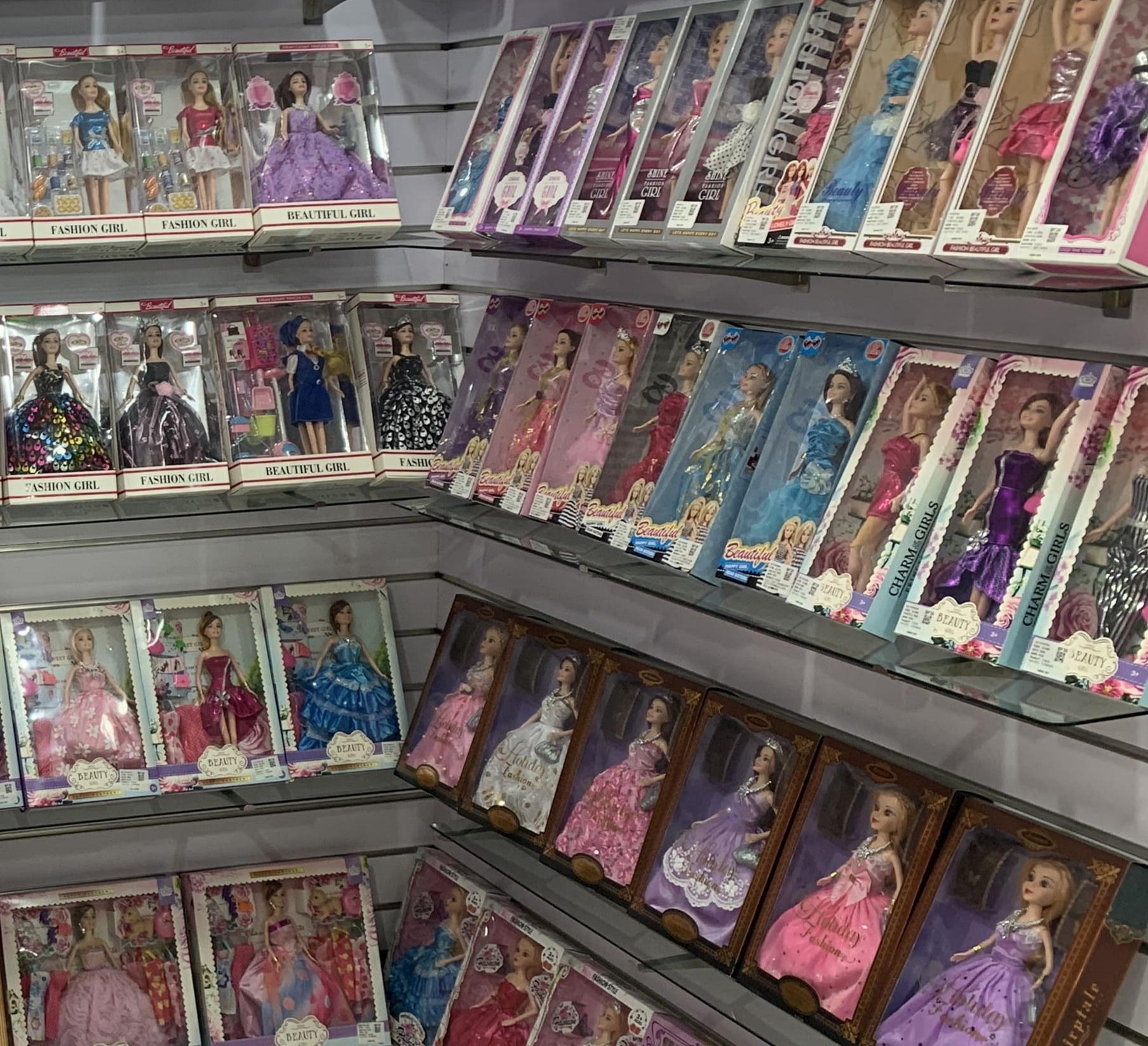
In supermarkets or discount stores, smaller dolls may perform better due to pricing and shelf constraints. In toy stores or specialty shops, 11.5-inch dolls tend to fit well because they allow for more detailed presentation and accessory combinations.
For e-commerce, both formats can work, but clear product positioning becomes more important. Customers need to understand what they are getting, especially when size differences are not immediately obvious from images.
For wholesalers and distributors, offering a mix of sizes can make a catalog more flexible and appealing to different types of buyers.
How Size Affects Product Development
From a sourcing and development perspective, size influences more than just appearance.
It affects:
-
Material usage
-
Packaging design
-
Shipping efficiency
-
Accessory compatibility
Working with commonly used sizes like 11.5 inches can simplify certain aspects of development, especially when it comes to creating matching accessories or expanding product lines.
At the same time, exploring alternative sizes can open up new opportunities in less saturated segments of the market.
Finding the Right Balance in a Product Line
Rather than treating one size as "better," it is more useful to think in terms of balance.
The 11.5-inch format can serve as a stable core product because it is widely accepted and easy to integrate into different retail environments. Around that core, other sizes can be added to target specific niches or pricing strategies.
This approach allows businesses to stay flexible while still benefiting from the consistency that a familiar size provides.
Planning Fashion Doll Assortments with Zhorya
When building a fashion doll product line, balancing size consistency with variety is key. While 11.5-inch dolls are widely recognized for their familiarity and compatibility, other sizes can also play an important role depending on pricing, channel, or display needs.
Suppliers that offer multiple size options make this process simpler. Zhorya, based in China, provides dolls in 11.5-inch playscale as well as other formats, allowing buyers to mix sizes naturally to suit different markets.
This makes it easy to:
-
Keep 11.5-inch dolls as a core, familiar option
-
Add smaller dolls for price-sensitive or high-turnover channels
-
Introduce larger dolls for visual impact or special collections
For those sourcing wholesale barbie doll-style products, combining different sizes helps create a flexible and competitive assortment.

Conclusion
Understanding fashion doll sizes is key to building a balanced and adaptable product line. While the 11.5-inch playscale remains a familiar and versatile option, incorporating other sizes allows businesses to meet different market needs, pricing strategies, and sales channels.
Working with suppliers like Zhorya, which offers dolls in multiple sizes including 11.5-inch models, makes it easier to create assortments that are both consistent and flexible—helping buyers plan, source, and sell with confidence.